Posts

SQL Joins

Image
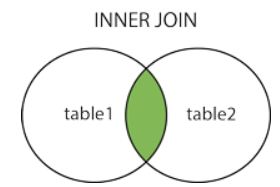
Joins are used to combine rows from two or more tables based on related columns between them. Joins allow you to retrieve data from multiple tables simultaneously, enabling you to create complex queries that fetch data from different sources. There are different types of joins in SQL, including: INNER JOIN Returns only the rows that have matching values in both tables based on the specified join condition. It discards non-matching rows from both tables. Example:           create table t1(x int); insert into t1 values(1); insert into t1 values(1); insert into t1 values(0); create table t2(y int); insert into t2 values(0); insert into t2 values(1); insert into t2 values(1);           select * from t1 inner join t2 on t1.x = t2.y Output: 2. LEFT JOIN (or) LEFT OUTER JOIN Returns all the rows from the left (or first) table and the matching rows from the rig...

Airflow basic custom web view

Folder Structure Plugin |_test_plugin    |_templates       |_test.html    test_plugin.py test_plugin.py from airflow.plugins_manager import AirflowPlugin from flask import Blueprint from flask_admin import BaseView, expose from flask_admin.base import MenuLink class TestView(BaseView):     @expose('/')     def test(self):              return self.render("test.html", content="Hello galaxy!") v = TestView(category="Test Plugin", name="Test View") blue_print_ = Blueprint("test_plugin",                         __name__,                         template_folder='templates') class AirflowTestPlugin(AirflowPlugin):     name = "MenuLinks"     # operators = []     flask_blueprints = [blue_print_]     # hooks = [] ...

Airflow dynamic dag creation and chain sequentially

DAG1: import airflow.utils.dates import airflow.utils.helpers from airflow import DAG from airflow.operators.dagrun_operator import TriggerDagRunOperator from airflow.operators.python_operator import PythonOperator from airflow.operators.sensors import ExternalTaskSensor from airflow.models.variable import Variable from airflow.utils.state import State from datetime import datetime, timedelta import dateutil.parser dag = DAG(     dag_id="dag1",     default_args={"owner": "airflow", "start_date": airflow.utils.dates.days_ago(2)},     schedule_interval="@once",      catchup=False ) def trigger_dag_with_context(context, dag_run_obj):        dag_run_obj.payload = {'job': context['params']['job']}     return dag_run_obj l1 = [] l2 = [] i = 0 for job in ["job1", "job2"]:      trigger = TriggerDagRunOperator(         task_id= job + "_dag",   ...

SQL Access WebApi with Basic Authentication

exec CALLWEBSERVICE 'username','password' CREATE PROCEDURE CALLWEBSERVICE(@Username NVARCHAR(50), @Password NVARCHAR(50)) AS     BEGIN     Declare @Object as Int;     DECLARE @authHeader VARCHAR(8000);        DECLARE @contentType VARCHAR(8000);     DECLARE @postData NVARCHAR(4000);     Declare @json as table(response nvarchar(max))     SET @postData = '{"method":"GetUserVehicles","userid":"1323","companyid":"0"}';        SET @contentType = 'application/json';     SET @authHeader = @Username + ':' + @Password;         SELECT         @authHeader = 'BASIC ' + CAST(N'' AS XML).value(               'xs:base64Binary(xs:hexBinary(sql:column("bin")))'             , 'VARCHAR(MAX)'...

Postgresql CStore Implementation

Cstore is a foreign data wrapper for postgres used for the analytic workloads . Cstore highly compress and stores the data in the columnar format. The following are the steps to install and implement cstore in the postgresql 9.6 in ubuntu. > sudo apt-get install \ git \ libpq-dev \ libprotobuf-c0-dev \ make \ postgresql-server-dev-9.6 \ protobuf-c-compiler > sudo apt-get install gcc > rm -rf cstore_fdw/ > git clone https://github.com/citusdata/cstore_fdw.git > cd cstore_fdw > make -j8 && \ sudo make install > sudo su - postgres > createdb sample; After the installation , in postgresql.conf specify shared_preload_libraries = 'cstore_fdw' > CREATE EXTENSION cstore_fdw; > CREATE SERVER cstore_server FOREIGN DATA WRAPPER cstore_fdw;

Automate failover in postgres replication using repmgr

repmgr.conf =========== failover=automatic pg_bindir='/usr/lib/postgresql/9.5/bin' promote_command='repmgr standby promote -f /etc/repmgr/repmgr.conf' follow_command='repmgr standby follow -f /etc/repmgr/repmgr.conf' note pg_bindir property otherwise you will pg_ctl unknown command error postgrsql.conf ============== shared_preload_libraries = 'repmgr_funcs' repmgrd helps to monitor the replication , with -d/--daemonize option you can run this as a deamon process Run the following command in standby server 1 & 2 alone , create a log file as postgres user otherwise you will get permission issue > sudo su - postgres > vi repmgr.log > repmgrd -f /etc/repmgr/repmgr.conf --verbose > repmgr.log 2>&1 repmgr=# select * from repmgr_cluster.repl_nodes order by id;  id |  type   | upstream_node_id | cluster | name  |                   conninfo             ...

Postgresql Master Slave Replication Setup using repmgr with EC2 instances

repmgr is an open source tool which helps to implment & monitor postgres replication and also helps in manageing the switchover and automatic failovers. Here we are going to implement one master and two standby servers streaming replication with repmgr. Master (127.0.0.1) Standby1 (127.0.0.2) Standby2 (127.0.0.3) Install Postgresql in all the 3 instances and enable passwordless connection between the instances using ssh. #Remove all the postgresql leftovers from the system sudo apt-get --purge remove postgresql-* sudo rm -Rf /etc/postgresql /var/lib/postgresql #Install Postgress & repmgr sudo apt-get update sudo apt-get install postgresql postgresql-contrib sudo apt-get install postgresql-9.5-repmgr sudo service postgresql stop Edit postgresql.conf and pg_hba.conf files in all the 3 instances with the respective following changes, so that in future standby act as master with minimal changes. > sudo su - postgres > cd /etc/postgresql/9.5/main/ ...

Machine Learning Foundations - Recommender System - Assignment Quiz

1) Which of the artists below have had the most unique users listening to their songs? a) Kanye West b) Foo Fighters c) Taylor Swift d) Lady GaGa 2) Which of the artists below is the most popular artist, the one with highest total listen_count, in the data set? a) Taylor Swift b) Kings of Leon c) Coldplay d) Lady GaGa 3) Which of the artists below is the least popular artist, the one with smallest total listen_count, in the data set? a) William Tabbert b) Velvet Underground & Nico c) Kanye West d) The Cool Kids